ROUGHPLUMB · HOMEOWNER PLUMBING HELP
Plumbing explained so you can make sense of what’s in your home.
Real-world visuals, clear answers and practical next steps. Understand the plumbing before you repair, replace or call someone.
VISUAL PLUMBING REFERENCE
Explore library →

DON’T KNOW WHAT IT’S CALLED?
Describe what you see.
Try homeowner language like “curved pipe under sink,” “washer drain pipe,” or “thing toilet bolts to.”
PROBLEM GUIDES
Start with what’s happening.
Use symptom-first guides to narrow down what system or part deserves attention first.
Browse problems →
VISUAL LIBRARY
See what’s behind the wall.
Realistic plumbing visuals reveal the parts, assemblies and connections you normally can’t see.
Explore visual guides →
FIND A PART
Identify before you buy.
Learn what photos, markings and measurements can help narrow the right replacement part.
Start identifying →COMMON HOMEOWNER PROBLEMS
View all guides →
Start with the symptom, not the plumbing term.
TOILETWhy does my toilet keep running?Narrow tank, flapper and fill-valve causes.
DRAINAGEWhy is my sink draining slowly?Start local before assuming a bigger drain problem.
BATHTUBWhy is my bathtub leaking?Use when-it-leaks logic to isolate the system.
PRESSUREWhy is my water pressure low?One fixture, several fixtures or the whole house?
LAUNDRYWhy is my washer drain backing up?Understand fast pump-out, standpipe and branch drainage.
ODORSWhy does my bathroom smell like sewer?Dry traps, openings and drainage connections first.
POPULAR VISUAL GUIDES
Explore all visuals →
Recognize the plumbing you actually have.

PARTP-TrapThe curved pipe under a sink.
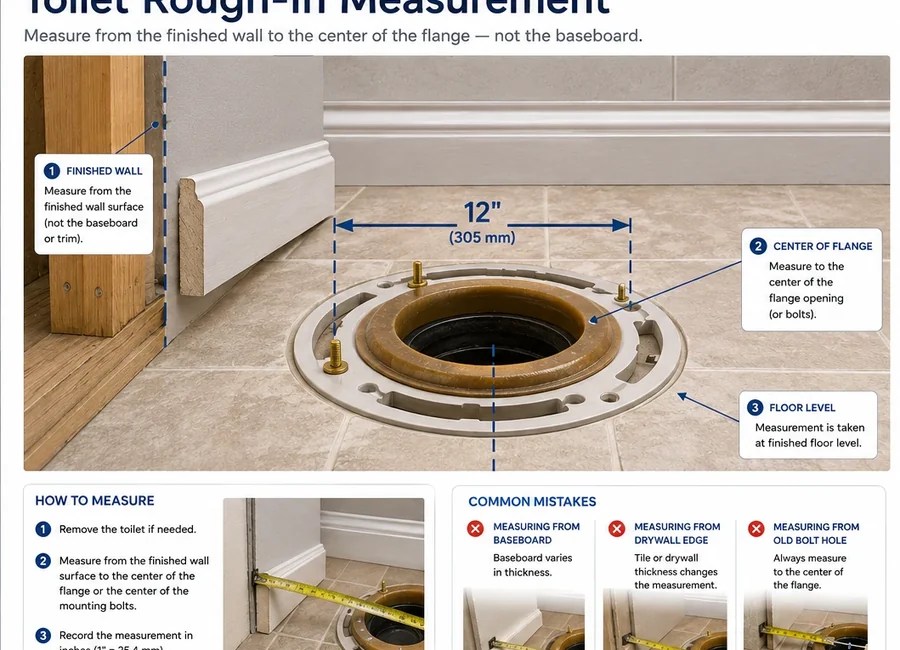
MEASUREMENTToilet Rough-InMeasure from the finished wall correctly.

PARTToilet FlangeWhat the toilet actually fastens to.

ASSEMBLYBathtub Drain & OverflowSee the piping hidden behind the tub.
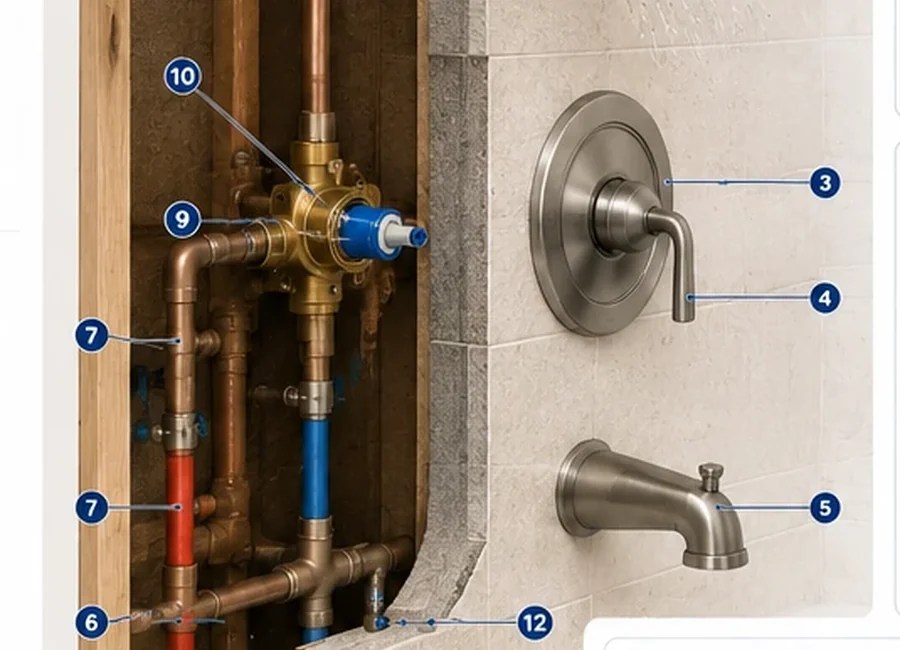
ASSEMBLYShower ValveWhat’s behind the handle?
ASSEMBLYWasher StandpipeHow fast pump-out enters the drainage system.
Homeowner firstPlain language before trade terminology.
Real-world visualsParts and assemblies you can recognize.
Practical next stepsKnow what to check, measure or photograph.
Know when to stopClear escalation when the risk or uncertainty is higher.